Summary
- Take-Two filed patents that quietly target core open-world problems, not flashy features.
- These patents aim to improve NPC variety, adaptive animation, smarter navigation, and dense crowd rendering.
- The timing aligns with GTA 6’s production, suggesting they’re built specifically for it.
- Rockstar appears to be replacing old systems, not upgrading them.
- The changes won’t be seen in one feature, but felt in realism, scale, and believability.
- GTA 6 isn’t just bigger, it’s built on a new foundation designed to eliminate past limits.
Take Two Interactive Patents Explained And Why They Matter for GTA 6
Large publishers file patents all the time. Most of them never see the light of day, and many exist purely as legal protection rather than active production plans. That is why patents are often dismissed as noise, especially in the games industry.
What makes the recent filings from Take Two Interactive different is not any single patent on its own, but the pattern they form when viewed together.
Individually, they appear scattered. Taken as a group, they describe a coordinated attempt to solve problems Rockstar has openly struggled with for years.
Why These Patents Started Appearing When They Did
The timing matters. Around 2019, Take Two began filing patents that targeted production bottlenecks rather than surface level features. This period aligns closely with the point where GTA 6 would have entered full scale production.
These filings were not focused on visuals, branding, or monetization. They focused on systems that scale development and simulation complexity. That alone sets them apart from typical defensive patents.
More importantly, they target the exact areas where traditional open world design begins to collapse under ambition.
What These Patents Are Actually Trying to Solve
When broken down, the patents consistently point toward the same long standing issues in open world games:
- NPC variety that does not rely on endless handcrafted assets
- Animation systems that adapt to different bodies and situations
- Navigation logic that supports dense, unpredictable populations
- Rendering techniques that handle massive crowds without visual artifacts
These are not experimental ideas. They are solutions to problems Rockstar has encountered across multiple generations of open world games.
Why This Is Unlikely to Be Coincidence
It is technically true that patents filed by a parent company can be used by any subsidiary. In theory, these systems could apply to sports titles or other projects under the Take Two umbrella.
In practice, only one franchise currently demands this level of systemic complexity.
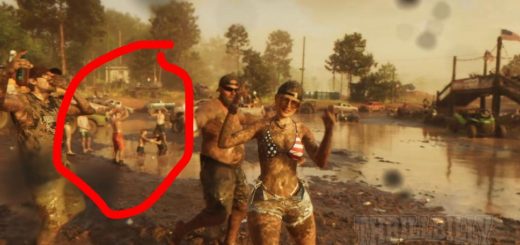
GTA 6 is expected to feature unprecedented crowd density, extreme environmental detail, and a living city that reacts dynamically at scale. No other Take Two property requires millions of believable NPC variations, adaptive movement systems, and stable performance under that load.
The patents line up too cleanly with the problem space to feel random.
How Patent Strategy Reveals Development Intent
Patents do not confirm implementation, but they do reveal priorities. Studios do not invest time and legal resources into protecting ideas that do not align with long term development goals.
Taken together, these filings suggest Rockstar is not iterating on old pipelines. It is replacing them.
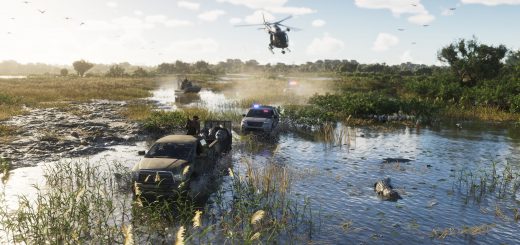
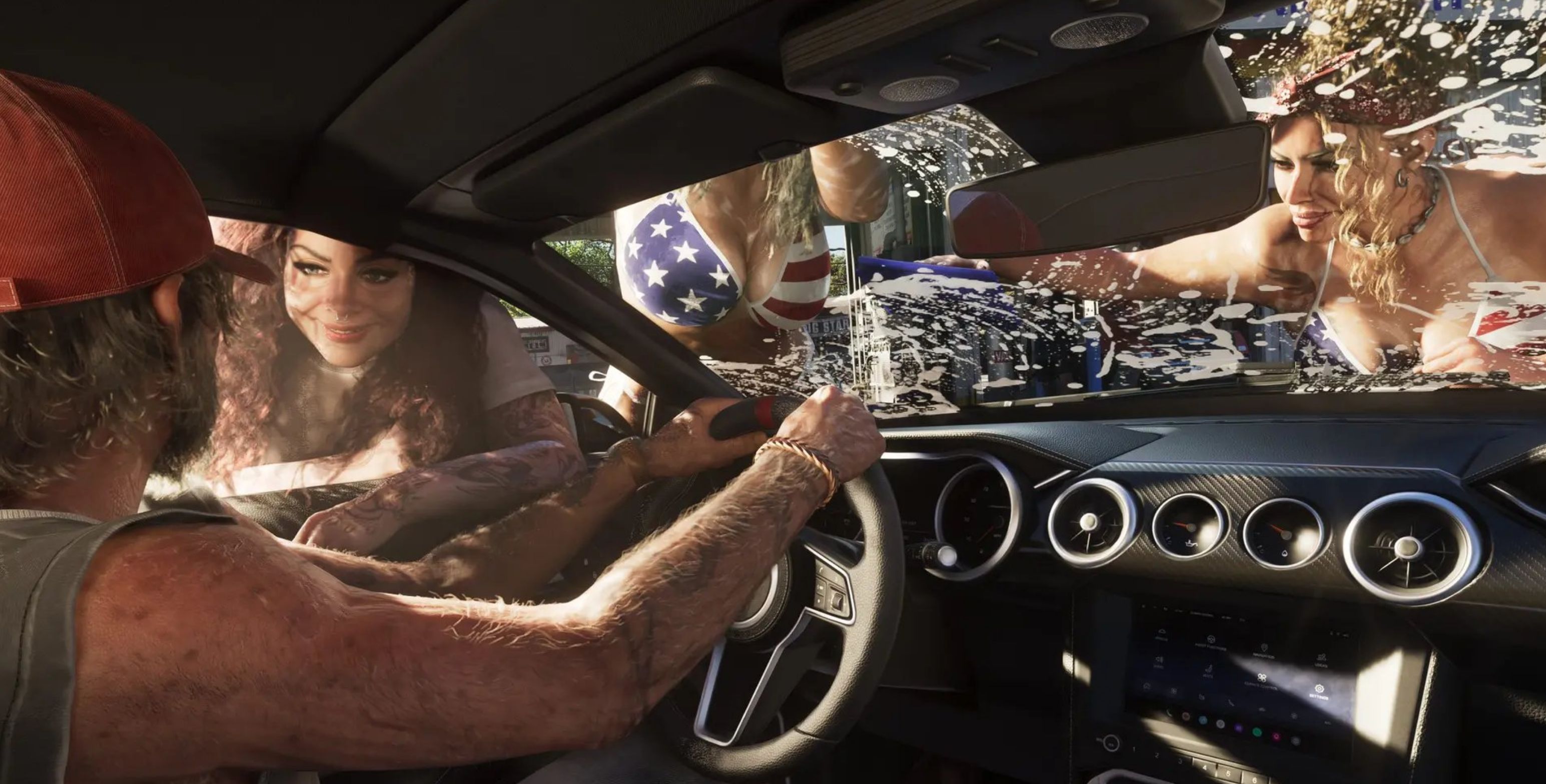
This shift explains why GTA 6 does not simply look like a more detailed version of GTA 5. It looks structurally different. Crowds feel denser without chaos. NPCs feel more varied without exaggeration. The city feels alive without obvious scripting.
Those sensations are not accidents. They are the outcome of systemic design.
What Makes These Patents Different From Typical Speculation
Most patent discussions focus on flashy features or speculative mechanics. The real significance here lies in how unglamorous these systems are. They do not promise cinematic moments or headline friendly features. They promise scalability, consistency, and believability. That focus is telling.
These systems exist to remove constraints, not to add spectacle. They enable developers to build bigger worlds without multiplying workload. They allow realism to increase without exposing repetition. This is infrastructure, not marketing.
Why GTA 6 Is the Only Logical Destination
If these systems were not intended for GTA 6, their existence would be difficult to justify. No other current project under Take Two demands this combination of population density, behavioral complexity, and performance stability.
Grand Theft Auto VI is the first title where these solutions are not optional, but necessary.
That does not mean every patent will be used in full. Some may be partial. Some may be adapted. Some may never ship. What matters is the direction they reveal.
What This Signals for the Final Game
If even a portion of these systems are active in GTA 6, the result will not be obvious in a single feature reveal. Players will feel it indirectly.
- Cities that do not expose repetition over time
- Crowds that behave less predictably without becoming chaotic
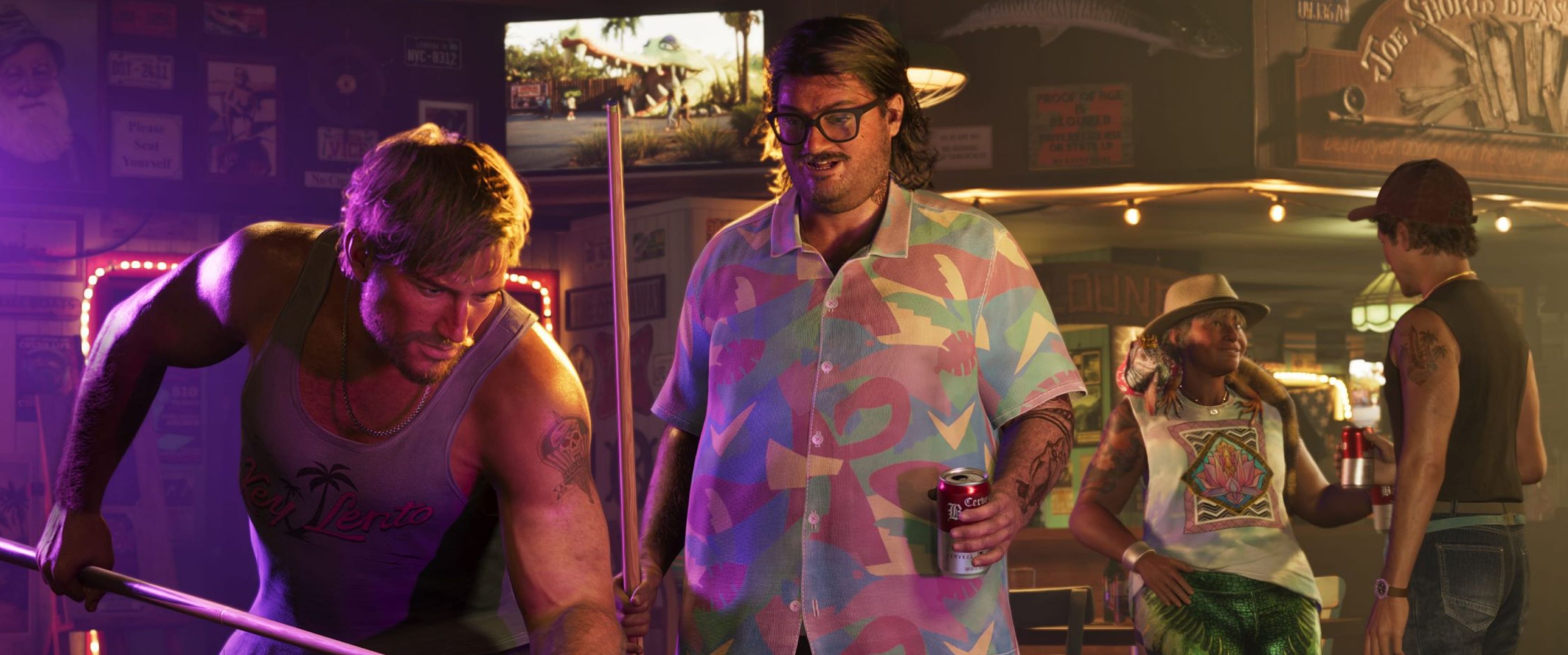
- NPCs that feel like individuals rather than templates
These are the kinds of improvements that are difficult to market, but impossible to ignore once experienced.
A Pattern That Is Hard to Ignore
On their own, Take Two’s patents prove nothing. Together, they outline a deliberate attempt to remove the biggest constraints that have limited open world games for decades.
This is not about adding one new mechanic. It is about rebuilding the foundation that supports everything else. That is why these patents matter.
And that is why GTA 6 feels less like an iteration and more like a structural reset, even before anyone has played it.